Comprehensive Roof Replacement in Overland Park, KS
Read through how one Overland Park homeowner upgraded their home from traditional asphalt shingles to stunning, copper-toned metal roofing, and what Kansas City homeowners should know before making the transition with Crown Town Restoration.
Your roof does more than protect your home from rain, wind, and changing Kansas City weather. It’s also one of the most important investments you’ll make in your property’s long-term protection and appearance. For homeowners in Overland Park, traditional asphalt shingles have long been a familiar choice. But metal roofing is another option worth exploring, especially when homeowners are considering longevity, durability, maintenance, and a different look for their homes. Let’s take a closer look at the roof replacement project, the materials, the metal roof installation process, and what you should consider before starting your project with Crown Town Restoration.
How is Metal Roofing Different From Asphalt Shingles?
Metal roofing uses manufactured metal panels or components to create a weather-resistant roofing system. Depending on the product, metal roofs can offer different styles, colors, profiles, fastening methods, and finishes. Asphalt shingles, on the other hand, use overlapping shingles to create a finished roofing surface. Both roofing materials can protect residential homes when selected and installed correctly. The right choice depends on several factors, including your budget, home’s design, maintenance expectations, and long-term plans. Give Crown Town Restoration a call to learn more.
1: Roof Lifespan and Durability
Metal roofs typically have a significantly longer service life than traditional asphalt shingles, depending on the type of metal, coating, installation, and maintenance. Asphalt shingles remain a practical and widely used residential roofing option, but they typically have a shorter expected service life. Contact Crown Town Restoration to learn more.
2: Metal Roofing Has a Higher Upfront Cost
Metal roofing generally requires a higher upfront investment than standard asphalt shingles. However, a homeowner planning to stay in the same house for many years may find the potential for fewer roof replacements appealing.
3. Metal Roof Maintenance Requirements
Both metal roofs and asphalt shingles benefit from regular inspections to catch potential problems early and help extend the life of your roof.
- Asphalt Shingles: Over time, shingles may crack, curl, lose granules, or become damaged by strong winds.
- Metal Roofing: Inspections help identify issues with panels, protective coatings, flashing, fasteners, and sealants.
Every roofing system has different maintenance needs, but regular inspections by Crown Town Restoration can help prevent small issues from becoming costly repairs.
4. Metal Roof Appearance and Curb Appeal
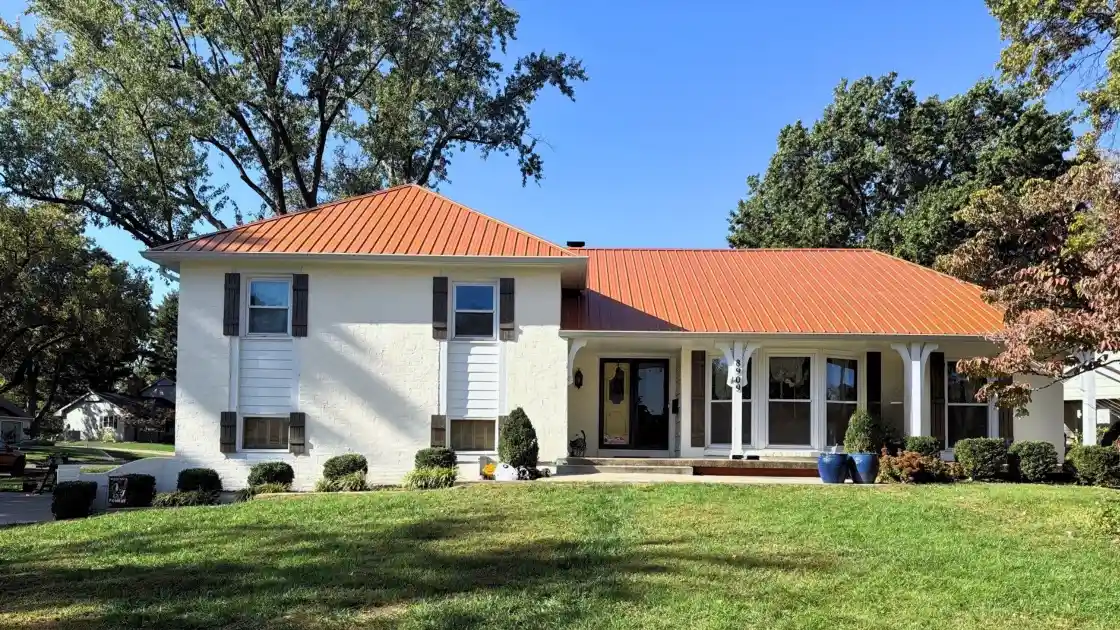
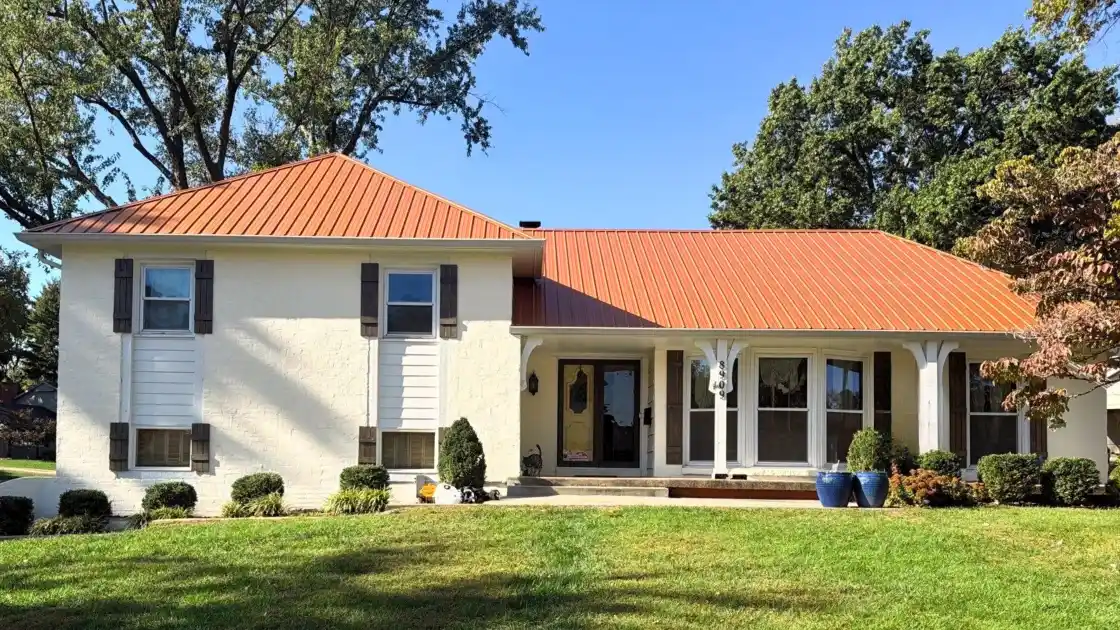
Traditional shingles offer a familiar appearance and come in many colors and styles. Metal roofing provides additional design possibilities, from subtle neutral finishes to distinctive colors like the copper-colored panels featured in our recent Overland Park metal roof replacement project.
5. Metal Roof Installation Requirements
Metal roofing requires careful attention to measurements, panel alignment, fastening, ventilation, trim, valleys, and roof penetrations. The quality of the full roofing system—not just the visible material—plays an important role in long-term performance.
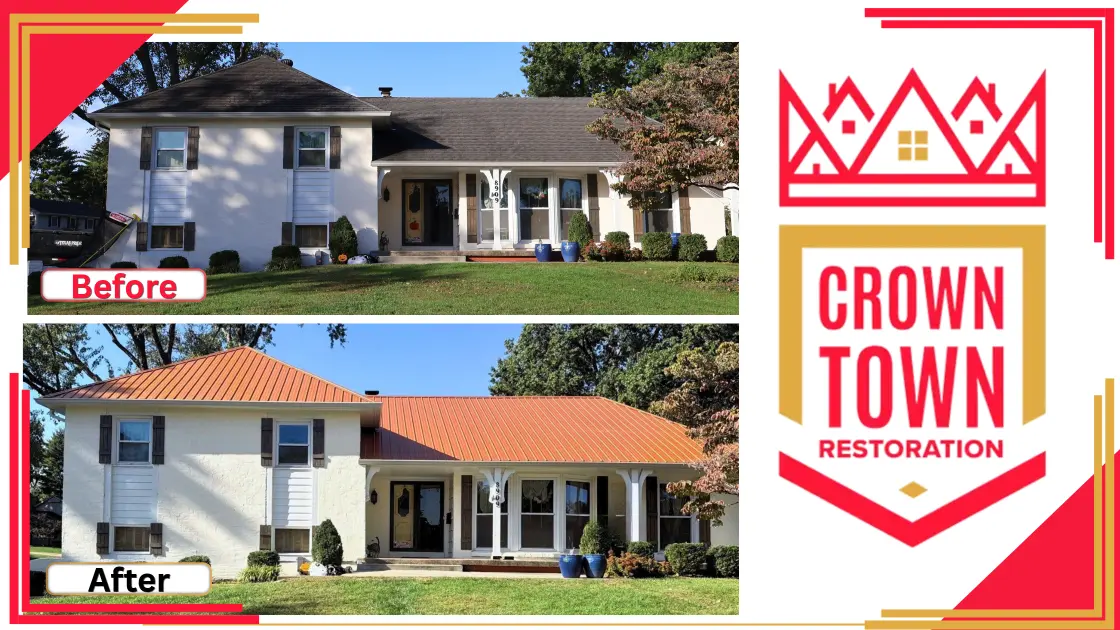
Copper-Colored Metal Roof Installation in Overland Park, KS
One of our recent residential roofing projects provides an example of what homeowners can expect when considering a metal roof replacement.
Metal Roof Replacement with Crown Town Restoration
Location: Overland Park, KS
Original Roof: Asphalt shingles
New Roof: Copper-colored metal roofing
Panel Material: 26-gauge AG-style metal panels
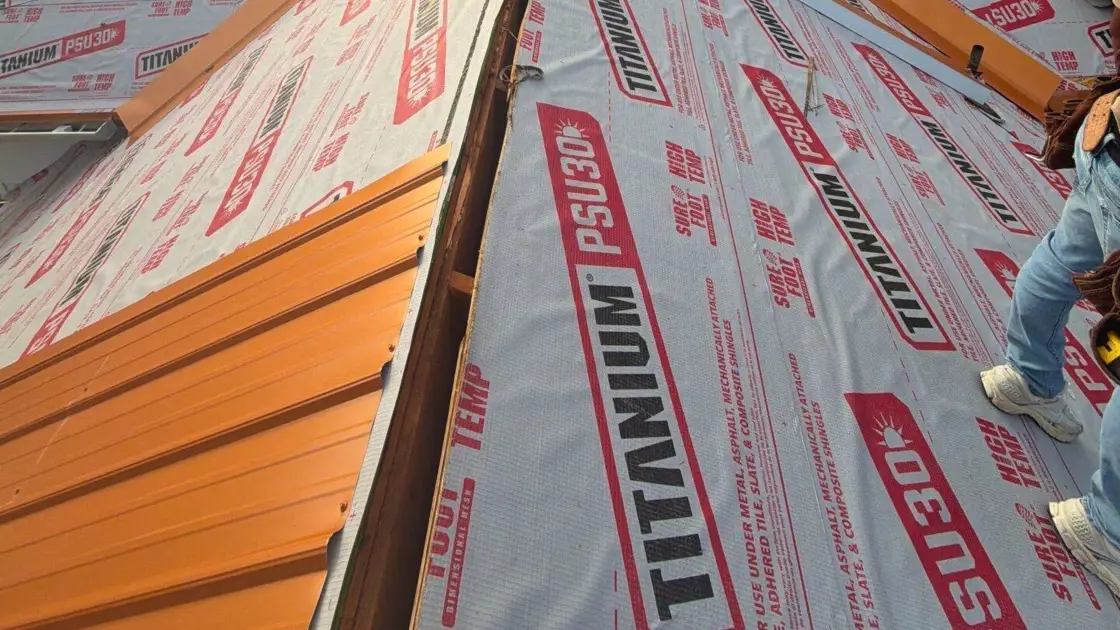
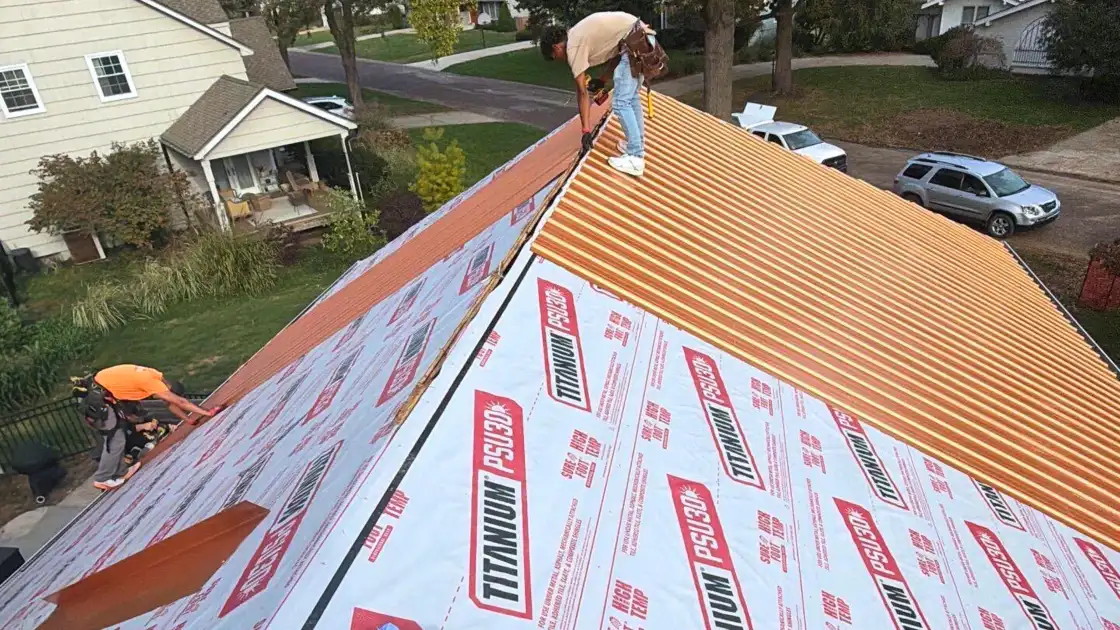
Underlayment: Titanium PSU30 high-temperature underlayment
Design Consideration: HOA approval for metal roofing
The homeowner wanted a roofing system that provided long-term protection while creating a distinctive appearance against the home’s white exterior. The copper-colored metal panels gave the property a fresh architectural look. An important part of the planning process was verifying that the homeowner’s HOA permitted the new roofing material and appearance. For homeowners in communities with architectural guidelines, checking HOA requirements before ordering materials or beginning work is an essential step.
What Materials Were Used for This Metal Roof?
A metal roof is more than the visible panels. Each component contributes to the performance of the finished roofing system.
26-Gauge AG Metal Panels
This Overland Park home’s metal roof installation featured copper-colored 26-gauge AG-style metal panels. The gauge refers to the thickness of the steel. Panel profile, fastening, coatings, and installation requirements also influence how the roof performs. AG-style panels have a recognizable ribbed appearance and can be used in residential applications when the selected product is appropriate for the roof design and installation conditions. For this Overland Park home’s roof replacement project, the copper-colored finish provided a striking contrast with the home’s white exterior.
Titanium PSU30 High-Temperature Underlayment
Underlayment is an important protective layer installed beneath the visible roofing material. For this project, the selected material was Titanium PSU30, a self-adhered, high-temperature roofing underlayment. This product is designed to serve as a secondary water barrier and is suitable for compatible roofing applications, including metal roofing. Because metal roofing systems can experience elevated temperatures, using underlayment appropriate for the selected roof assembly is important.
Roof Ventilation and Ridge Details
Ventilation is another consideration during a roof replacement. Proper attic ventilation can help manage heat and moisture within the attic space. For this project, the team discussed the plan for ridge ventilation as part of the installation process. The appropriate ventilation design depends on the home’s existing attic conditions, roof structure, and roofing system.
How Long Does It Take to Replace a Shingle Roof With Metal?
One of the most common questions homeowners ask when planning a roof replacement is: “How long will my roof installation take?”
The answer depends on the roof’s size, complexity, materials, weather conditions, and any repairs needed after removing the existing roofing. For a home similar to the one featured in Crown Town Restoration’s Overland Park recent metal roof replacement project, Levi Gochenour, Crown Town’s Project Manager, outlined a typical installation sequence.
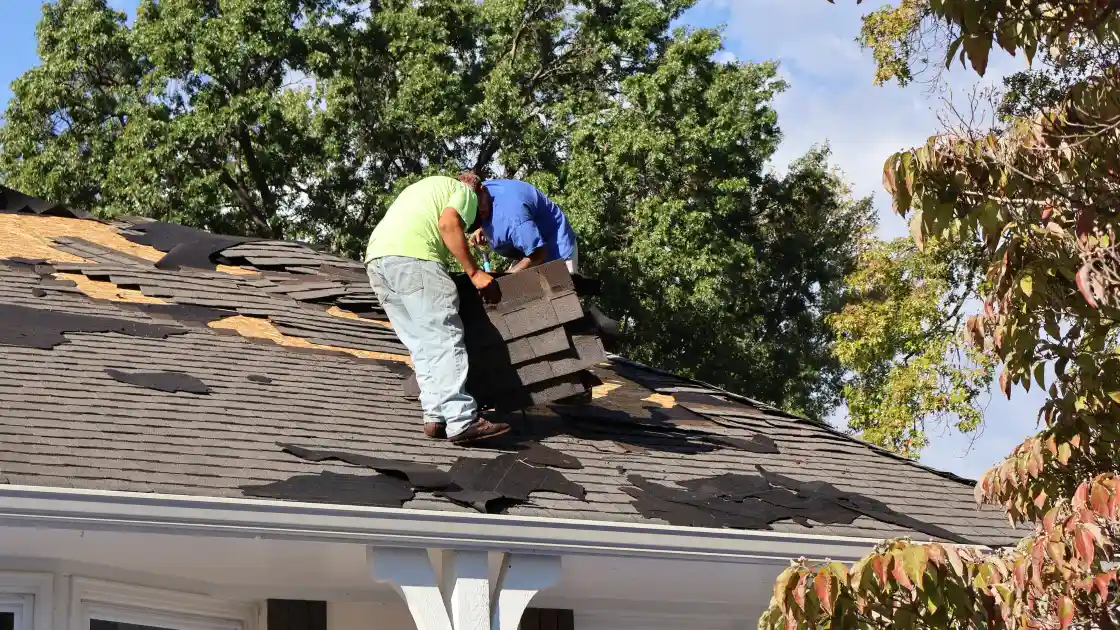
Step 1: Remove the Existing Asphalt Shingles
The first step is removing the existing roofing materials to prepare for the new system. For a home of this approximate size, Levi explained that the tear-off portion of the project can typically take about four to five hours. During this stage, the Crown Town Restoration crew also evaluates the underlying roof decking and addresses any conditions that need attention before installation continues.
Step 2: Prepare the Roofing System
After the tear-off and necessary decking work, the crew prepares the roof for installation. This includes installing the specified underlayment and planning details around penetrations, transitions, drainage, and ventilation. Proper preparation helps create the foundation for a successful installation.
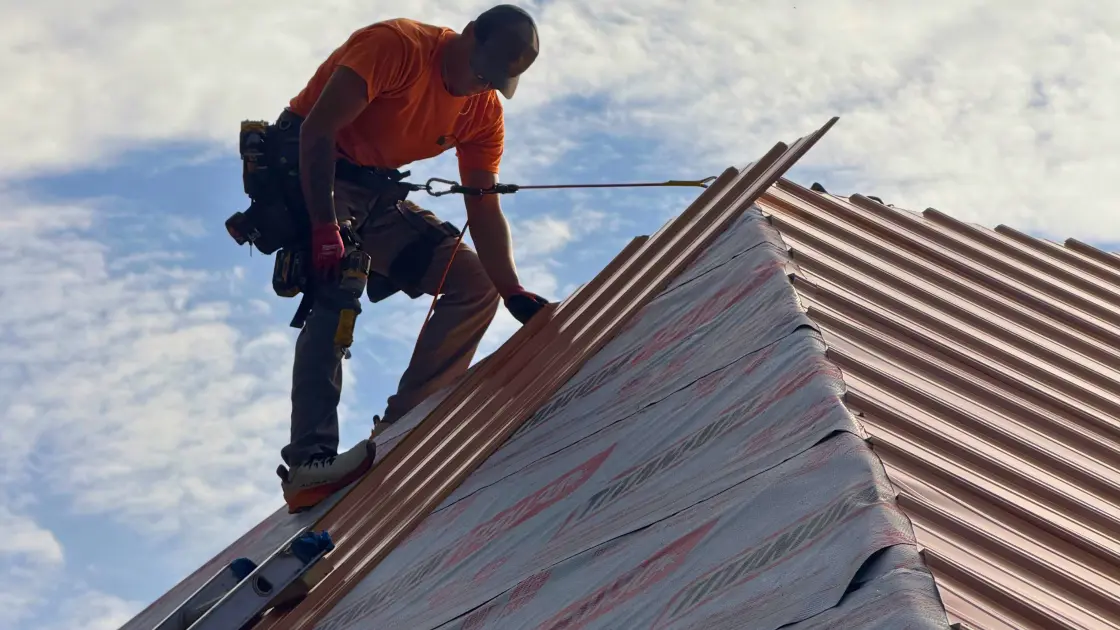
Step 3: Install the Metal Roofing Panels
Once the roof is prepared, installation of the metal panels begins. According to Levi’s explanation, the main panels on a roof of this approximate size can often be installed in a day, depending on the design and conditions. However, placing the main panels is only part of the overall process.
Step 4: Complete the Trim, Valleys, and Finishing Details
Metal roofing requires careful finishing around roof features, including:
- Hips and ridges
- Valleys and roof intersections
- Ventilation components
- Flashing and penetrations
- Panel edges and transitions
These details require precise measurements, cutting, fitting, and installation. For a project similar to this Overland Park metal roof replacement, Levi described a typical total timeline of approximately two to three days, allowing time for the detailed finish work.
Is a Metal Roof Worth the Investment?
For some homeowners in the Kansas City metro and surrounding areas like Overland Park KS, metal roofing is becoming more of a trend and can be an attractive long-term investment. The biggest consideration is often balancing the higher initial installation cost with the potential benefits over time.
Consider How Long You Plan to Own Your Home
If you plan to remain in your home for many years, the potential for a longer-lasting roofing system may make metal roofing worth considering. If you’re preparing to sell soon, it’s still important to compare the project’s cost with your goals and local market expectations.
Think Beyond the Upfront Price with Roof Replacement
A roofing estimate should account for more than just the visible material. Your investment may include tear-off, disposal, underlayment, panel installation, trim, ventilation, flashing, labor, and any needed decking repairs. Comparing complete, written roofing estimates helps you understand what you’re actually purchasing.
Consider the Appearance of Metal Roofs vs Asphalt Roofs
For some homeowners, metal roofing offers a design upgrade along with functional benefits. The copper-colored finish on our Overland Park metal roof replacement project demonstrates how changing roofing materials can significantly alter a home’s appearance.
Understand Roofing Maintenance Requirements
Metal roofing is known for its durability and long lifespan, but that doesn’t mean it’s maintenance-free. Different metal roofing systems have different maintenance needs. Over time, components such as fasteners, sealants, protective coatings, and flashing may need inspection or attention to keep your roof performing as intended. Traditional asphalt shingles also require regular inspections to identify wear, damage, and potential repairs. Choosing the right roof isn’t just about how long it lasts. It’s about finding a roofing system that fits your home, your budget, and your long-term plans. Interested in exploring your roofing options? Whether you’re considering metal roofing or traditional shingles, the team at Crown Town Restoration is here to help you understand your choices and make an informed decision: Schedule a free roof inspection today.
Do You Need HOA Approval for a New Roof in Overland Park?
If your neighborhood has a homeowners association, checking its architectural guidelines should be one of your first steps. Some HOAs have requirements regarding roofing materials, colors, profiles, finishes, or the approval process for exterior changes. For our recent Overland Park metal roof replacement project, the homeowner received HOA approval for the roofing upgrade. Before replacing your roof, consider reviewing:
- Approved roofing materials and colors
- Architectural review requirements
- Product and finish specifications
- Any required documentation or samples
- Applicable local permit and code requirements
HOA approval does not replace any required city permits or building-code compliance. Crown Town Restoration can help homeowners understand their roofing options and coordinate the information needed for a proposed project. Give us a call to learn more.
Frequently Asked Questions About Metal Roofing
1. How long does a metal roof last compared to asphalt shingles?
Depending on the materials, installation, environmental conditions, and maintenance, metal roofing can last substantially longer than traditional asphalt shingles. Some metal roof systems can provide several decades of service, while asphalt shingle roofs commonly have shorter expected lifespans. Your contractor should explain the expected performance and warranty for the specific product being considered. Schedule a free roof consultation with our team of roofing experts today.
2. Is a metal roof more expensive than asphalt shingles?
Metal roofing generally costs more upfront than standard asphalt shingles. The final price depends on the selected panels, roof size, design complexity, underlayment, labor, and installation details. A metal roofing consultation can help you compare complete estimates and understand the long-term considerations. Call Crown Town Restoration today.
3. How long does metal roof installation take?
For a house similar to Crown Town Restoration’s recent Overland Park project, the process may take approximately two to three days under suitable conditions. Larger or more complicated roofs, unexpected decking repairs, and weather delays can extend the timeline.
4. Can you replace an asphalt shingle roof with metal roofing?
Yes. Many existing asphalt shingle roofs can be replaced with compatible metal roofing systems. The contractor should first evaluate the roof structure, decking, slope, ventilation, and applicable building requirements. Want to have your roof inspected to see if it can qualify for metal roof replacement? Contact our metal roofing experts at Crown Town Restoration today.
5. Does metal roofing require special underlayment?
Metal roofing requires underlayment compatible with the selected system and manufacturer specifications. Crown Town Restoration’s featured Overland Park project used Titanium PSU30 high-temperature underlayment.
6. Does a metal roof need attic ventilation?
Attic ventilation should be evaluated as part of the overall roof assembly. A properly designed system can help manage attic heat and moisture. The exact approach depends on the home’s construction and ventilation requirements.
7. Do Overland Park HOAs allow metal roofing?
Rules vary by neighborhood and homeowners association. The homeowner in this featured project obtained HOA approval, but other associations may have different restrictions or requirements. Check your specific HOA guidelines before starting a project.
8. Are metal roofs suitable for Kansas City weather?
Properly selected and installed metal roofing systems can perform well in regions that experience rain, snow, wind, and temperature changes. Performance depends on the specific roofing product, roof design, installation, and weather conditions. No roofing system is completely damage-proof.
9. Can metal roofing be installed during colder months?
Yes! Metal roof installation may still be possible during colder weather, provided conditions are safe and the installation meets manufacturer requirements. Temperature, rain, snow, ice, and wind can all affect scheduling, along with the specific roofing materials being used. Crown Town Restoration prioritizes quality workmanship and safe installation practices throughout every season.
10. How do I know whether I need a roof repair or full replacement?
Not every roof needs to be replaced, and knowing the difference starts with a professional roof inspection. Crown Town Restoration looks for damaged shingles or metal panels, potential leaks, aging materials, flashing issues, and other signs of roofing problems. Our goal is to help you understand the condition of your roof and the options available, whether that’s a repair or a full replacement.